
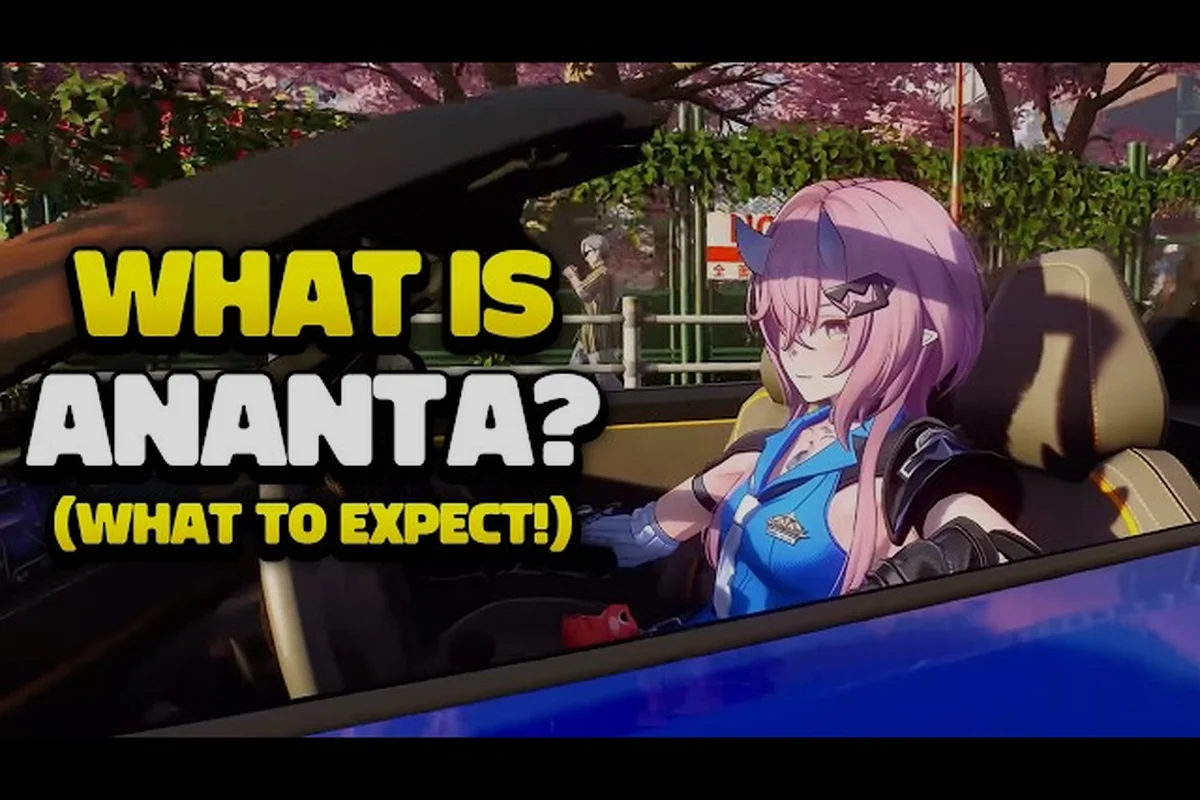
The streets of ANANTA run on a tense three-way balance of power, and understanding the ANANTA gang leader faction is the fastest way to make sense of every crossfire, betrayal, and midnight deal that shapes the city. The gang leader faction operates as the underground counterweight to the government faction, while hacker crews and the Special Task Force quietly pull strings from both sides of the law. Grasping how these organizations interact gives you a real edge in story missions, faction war events, and the dialogue choices that ripple across the entire campaign.
According to the official listing, ANANTA is available to play on the Roblox games page, where the gang faction led by Ananta can be reviewed in-game.
The ANANTA Gang Leader Faction at a Glance
The ANANTA gang leader faction is a loose coalition of street crews bound by territory, mutual profit, and a shared hostility toward government oversight. Rather than a single kingpin hierarchy, the faction operates as a network of district bosses who each control a slice of the city. A high-level Territory Council meets behind closed doors to settle disputes, but day-to-day enforcement is left to individual lieutenants and their enforcers. According to community data gathered from early-access players, the faction's internal politics shift roughly every patch, which keeps long-time players guessing who actually holds power from one season to the next.
The faction's identity is built on three pillars: protection rackets, black-market logistics, and reputation. Every crew in the network relies on the Street Ledger, a coded accounting book that tracks debts, betrayals, and favors owed between bosses. The ledger is passed between lieutenants during the so-called Moon Handover at the end of each in-game month, and the ceremony itself is a recurring story event that determines who controls the next set of blocks. Players who side with gang leaders during main-story beats often receive unique dialogue trees and access to underground shops, while those who snub the faction can expect harassment encounters on certain maps.
The faction war dimension of the gang leader network is what makes it most dangerous to ignore. When a turf dispute breaks out, the affected crews call a Banner Vote, and whichever side wins gains control of contested supply routes for the next in-game week. These shifts change which NPCs patrol which districts, which vendors stay open after dark, and which side-missions become available to you. In practice, the gang leader faction is less of a single villain group and more of an entire political ecosystem that you can support, oppose, or quietly exploit.
| Faction Trait | Gang Leader | Hacker | Government | Special Task Force |
|---|---|---|---|---|
| Primary Motive | Territory and profit | Information and access | Public order | Covert containment |
| Public Visibility | High | Low | High | Low |
| Recruitable Allies | Yes (district bosses) | Yes (netrunners) | No (NPCs only) | Conditional |
| Story Alignment | Anti-authority | Neutral | Pro-law | Grey zone |
| Faction War Stance | Aggressor | Wildcard | Defender | Mediator |
Hacker Faction: The Shadow Layer Behind Every Faction War
The ANANTA hacker faction does not own territory in the traditional sense, but it controls something arguably more valuable: data. Hackers operate in digital layers that run parallel to the physical streets, which is why the gang leader faction both relies on and resents them. The hacker subculture is organized into Cells, small groups of two to five netrunners who specialize in a particular discipline such as surveillance, financial fraud, or infrastructure sabotage. Cells often freelance for whoever pays best, which means the gang leader faction frequently hires them for heists while the Special Task Force quietly contracts them for counter-intelligence work.
The relationship between hackers and the gang leader faction is built on a handshake agreement called the Ghost Protocol, a set of unwritten rules that keeps digital intrusions from spilling into open street violence. According to community data, the protocol breaks down during major story arcs, which triggers some of the most dramatic faction war set-pieces in the game. When the protocol collapses, hacker cells begin leaking gang leader supply routes to government agencies in exchange for amnesty, and the resulting chaos reshapes the city map within hours of in-game time.
Players who align with the hacker faction unlock a distinct progression path that emphasizes stealth, social engineering, and information trading. The Datamine mini-game lets you tap into faction communications and sell what you find to the highest bidder, which can either boost your reputation with the gang leader faction or tank it depending on who is paying. This duality is intentional: the hacker faction is written to feel like a wildcard in the faction war, which is why no single ending locks them into a permanent alliance with any other organization. If you want a deeper look at how digital skill sets translate into combat builds, the ANANTA hacker build guide breaks down the stat priorities and gear choices that complement this playstyle.
Cell Structure and Specialization
Each hacker cell in ANANTA has a designated role that determines what kind of jobs they accept and which NPCs will talk to you once you earn their trust. Understanding these roles helps you predict how a given faction war escalation will play out across the city.
| Cell Role | Specialty | Typical Client | Story Impact |
|---|---|---|---|
| Ghost | Infiltration | Gang leaders | Unlocks hidden vaults |
| Echo | Surveillance | Government | Exposes corruption arcs |
| Cipher | Financial fraud | Hackers themselves | Shifts black-market prices |
| Wraith | Sabotage | Special Task Force | Triggers blackout events |
Government Faction: Law, Order, and Quiet Compromise
The ANANTA government faction represents the official power structure, and it is the most visible organization on the city map. Government authority is enforced through the Public Safety Bureau and its uniformed patrol officers, but real decisions are made inside the Department Council, a closed-door body of department heads who allocate funding and approve large-scale operations. The council rarely intervenes in street-level disputes directly, which leaves a power vacuum that the gang leader faction is more than happy to fill.
Government NPCs in ANANTA are written to feel overworked and under-resourced, which is why so many of them are willing to cut quiet deals with both hackers and gang leaders. A patrol officer might look the other way during a smuggling run in exchange for a favor logged in the Compromise Book, a hidden ledger that tracks every backroom agreement between law enforcement and the underworld. The compromise book is a major story MacGuffin in the mid-game, and depending on who you hand it over to, the faction war either escalates dramatically or settles into a tense but manageable cold war.
The ANANTA government faction also oversees the NCCA officer program, which is the in-universe justification for the player character and several recruitable allies. NCCA officers technically answer to the Department Council, but field operatives enjoy enough latitude to make independent moral choices. That latitude is what lets you work alongside the gang leader faction on certain missions while still wearing an official badge, although doing so will eventually cost you reputation with the council. Players who want to understand which NCCA-affiliated characters make the best long-term allies can cross-reference the ANANTA character skills breakdown for a full list of available skills.
Department Council Influence Table
The Department Council is made up of department heads with overlapping jurisdictions, and knowing who holds which seat is essential for predicting faction war outcomes.
| Department | Council Seat Holder | Stance on Gang Leader Faction | Stance on Hackers |
|---|---|---|---|
| Public Safety | Director Maren | Hostile | Suspicious |
| Urban Planning | Chair Ovi | Cooperative | Indifferent |
| Finance | Treasurer Kell | Neutral | Collaborative |
| Intelligence | Director Sayo | Hostile | Recruiter |
| Civil Affairs | Chair Lina | Sympathetic | Friendly |
Special Task Force: The Grey Zone Operatives
The ANANTA special task force sits at the intersection of law enforcement, military hardware, and deniable operations. Officially, the task force answers to the Department Council, but in practice it operates with near-total autonomy. Its mandate is simple: contain threats that ordinary patrols cannot handle, which in practice means hunting rogue hacker cells, raiding gang leader safe houses, and occasionally silencing government officials who know too much. Because of that mandate, the special task force is both feared and resented by every other faction in the game.
Task force operatives are introduced as a separate unit with their own rank ladder, starting at Operator and climbing through Handler, Captain, and finally Commander. Promotion is tied to a mix of story progression, hidden objective completion, and a reputation metric that ticks up whenever you complete missions without civilian casualties. Players who invest heavily in the special task force storyline get access to unique weapons, armor sets, and safe houses scattered across the map, but they also burn bridges with the gang leader faction that are difficult to repair later. For a fuller picture of which operatives pair well with which builds, the ANANTA character synergy overview maps out the relationships that matter most during late-game story branches.
Task Force Operation Tiers
| Tier | Rank | Typical Mission | Faction War Consequence |
|---|---|---|---|
| Bronze | Operator | Patrol support | Minimal |
| Silver | Handler | Raid coordination | Triggers retaliation |
| Gold | Captain | Black-ops extraction | Reshapes a district |
| Platinum | Commander | Faction war arbitration | Locks one ending path |
The ANANTA organization lore around the special task force is deliberately ambiguous. Internal logs you can find during the mid-game suggest that the unit was originally founded to contain a single catastrophic hacker incident, but over the decades its scope expanded to cover gang leader insurgencies and government cover-ups. That origin story matters because it explains why the special task force is so willing to work with hackers one day and raid their safe houses the next. The faction is built on the principle that threats must be neutralized, not negotiated with, which puts it on a permanent collision course with the gang leader faction's more transactional worldview.
Faction War Dynamics: How the Power Balance Actually Shifts
The ANANTA faction war system is the connective tissue between every organization on the map, and it is the single most important mechanic to understand if you want to predict which ending you are drifting toward. At any given moment, the city is in one of four Power States: Stable, Tense, Erupting, or Lockdown. Each state changes patrol density, vendor inventory, and which side-missions appear, which means the same district can feel completely different depending on what happened in the previous in-game week. Power state transitions are triggered by major story beats, large-scale heists, and player-driven decisions logged in the Compromise Book or the Street Ledger.
What makes the faction war system feel alive is that every organization can trigger a state change, and the AI factions react to one another in real time. A successful hacker heist on a government facility will immediately push the government faction toward a Hostile stance toward hackers and a Suspicious stance toward gang leaders, because the council assumes the streets helped coordinate the breach. A bold gang leader raid on a task force safe house will trigger a Retaliation Wave, and within two in-game days the special task force will begin aggressive patrols in the affected district. Players who want to slow the spiral can intervene through dialogue, bribes, or targeted assassinations, but each action has a cost measured in reputation with the organizations you alienate.
| Power State | Trigger Condition | Patrol Density | Vendor Access | Available Side Content |
|---|---|---|---|---|
| Stable | No major event for 7+ days | Normal | Full | Standard |
| Tense | One unresolved dispute | Elevated | Reduced | Escort and recovery |
| Erupting | Active turf battle | Heavy faction-specific | Black market only | Sabotage and bounty |
| Lockdown | Government emergency declared | Maximum | Curfew enforced | Defense and rescue |
The ANANTA organization relationships that drive these shifts are tracked through a hidden Reputation Web that links all four major groups together. A Reputation Web value is stored for every pair of organizations, and these pair values determine how aggressively one faction reacts to another's actions. A low Trust value between the gang leader faction and the special task force, for example, means that even a minor street skirmish can spiral into a full Erupting state. Players who want to manipulate the web can do so by completing cooperative missions that boost Trust between two factions, or by feeding compromising information to one side about the other. The web is also why the hacker faction is so powerful despite its small size: a single well-timed data leak can shift four Reputation values at once, which cascades through the entire faction war system.
For players trying to plan a long playthrough around specific endings, the most reliable strategy is to track Reputation Web deltas after every major decision and avoid triggering two Erupting transitions in the same in-game week. Pushing the city into Lockdown locks out several late-game vendors and makes certain companion recruitment arcs impossible to finish, so restraint is often more valuable than aggression. The most successful community-tested approach, reported by players on the official forums, is to keep the gang leader faction at a Neutral or Friendly standing while letting the special task force take the lead on open combat, then cash in accumulated favors during a single decisive story arc.
How Player Choice Reshapes Organization Relationships
Every major story decision in ANANTA is logged into a hidden Faction Ledger that tracks not only what you did, but who saw you do it. Choosing to help a gang leader escape a police cordon will boost your reputation with the gang leader faction, but if a special task force operative witnessed the act, your standing with them drops simultaneously. This double-entry system is what makes ANANTA's faction war feel consequential: there is no purely free choice, and even silent observation can shift the ledger if you fail to intervene during a scripted event.
The most dramatic ledger shifts come from Pivotal Acts, a small set of high-stakes decisions that occur at fixed story milestones. Pivotal Acts include choosing who to hand the Compromise Book to, whether to spare or eliminate a captured gang leader boss, and whether to expose or bury evidence of government corruption. Each Pivotal Act is presented with full context, and the game does not allow you to undo them once committed. Community data suggests that the most balanced mid-game path involves a roughly even split of Pivotal Acts between the gang leader faction and the government faction, with the special task force held in reserve as a late-game trump card.
| Pivotal Act | Gang Leader Outcome | Government Outcome | Task Force Outcome | Hacker Outcome |
|---|---|---|---|---|
| Compromise Book handoff | +Reputation if ignored | +Reputation if handed over | Conditional trust | None |
| Spare gang leader boss | +Reputation | −Reputation | −Reputation | None |
| Expose corruption | −Reputation | Mixed | +Reputation | +Reputation |
| Cover up corruption | +Reputation | +Reputation | −Reputation | −Reputation |
Players who want to explore every available ending should treat the faction ledger as a long-term resource rather than a short-term scoreboard. Spending reputation too early locks you out of late-game dialogue branches, while hoarding it leaves you without allies when the final story arc begins. The optimal rhythm, according to community testing shared on the official ANANTA forums, is to bank two or three major favors with each faction before committing to a Pivotal Act, then spend those favors in a single coordinated push during the endgame. That approach gives you enough flexibility to switch alignments without losing access to the best gear and companion quests.
Practical Tips for Navigating Organization Politics
Success in the ANANTA organization politics system comes down to timing, information, and knowing when to stay quiet. The single most common mistake new players make is treating faction reputation like a traditional alignment meter and rushing toward a single faction. That approach works for a few hours, but it quickly leaves you without the fallback allies you need when the faction war enters the Erupting or Lockdown states. A more sustainable strategy is to keep all four major organizations within shouting distance of Neutral until at least the mid-game, then begin specializing based on which ending you actually want to pursue.
Another practical tip is to pay close attention to the Whisper Network, a stream of ambient dialogue that plays in safe houses and bars. Whisper Network lines hint at upcoming Reputation Web shifts roughly two in-game days before they occur, which gives you a window to prepare. If you hear gang leaders grumbling about a task force raid, for example, you can preemptively help a gang leader side-mission to absorb some of the trust loss before it cascades. According to the official ANANTA Steam page, the Whisper Network was designed as a soft tutorial for the faction war system, and veteran players confirm that listening carefully is one of the highest-value habits you can build.
Finally, remember that the hacker faction is the only group that can directly modify the Reputation Web. If you find yourself in a hole with the gang leader faction and the government faction simultaneously, a well-timed data leak can reset several pair values at once, which gives you a clean slate to rebuild. Hackers charge for this service, and the price scales with how many pair values you want to adjust, but the cost is almost always worth it when you are a few reputation points away from a Lockdown state. Treating hackers as a service provider rather than a permanent ally is the mindset that most experienced players eventually settle into, and it is the mindset that the faction war system is balanced around.
| Situation | Recommended Action | Expected Outcome |
|---|---|---|
| Two factions at Hostile | Trigger hacker data leak | Reset pair values, buy time |
| Lockdown imminent | Complete escort mission | Lower tension, restore vendor access |
| Reputation too high with one faction | Refuse a side job | Slow drift toward Neutral |
| Task force watching you | Switch to passive dialogue | Avoid Reputation penalty |
Frequently Asked Questions
Which faction is the easiest to ally with first in ANANTA?
The ANANTA gang leader faction is the most accessible starting point because several district bosses offer open recruitment during the first act. Completing two or three early side-missions for a local boss pushes you into Friendly standing, which unlocks underground vendors and unique dialogue. The hacker faction is a close second, but their early content is gated behind a short stealth tutorial that some players find frustrating on a first run.
Can the special task force and gang leader faction ever cooperate?
Yes, but only during specific story arcs where both groups face a common threat. The most notable cooperation window opens during the mid-game, when a rogue hacker cell threatens multiple districts at once. Outside of those scripted windows, the two organizations operate on a near-permanent hostile footing, so do not expect daily cooperation or shared safe houses.
Does siding with the gang leader faction lock me out of the government ending?
It can, if you push your reputation too far into Friendly before the late-game Pivotal Acts. The safer approach is to keep the government faction at Neutral until you commit to a final alignment, then spend your banked gang leader reputation in a single decisive push. This approach preserves the option to switch sides if a particular Pivotal Act does not play out the way you expected.
How do hacker cells fit into the faction war system?
The ANANTA hacker faction functions as a wildcard modifier on the Reputation Web. Cells can sell data leaks, run surveillance on other factions, or sabotage infrastructure for hire. Because cells are small and freelance-heavy, no single ending requires you to fully ally with them, which makes them an excellent source of utility without long-term commitment.
What happens if the city enters Lockdown before I finish the main story?
A Lockdown state does not block main-story progress, but it does restrict fast travel, raise vendor prices, and lock out several companion side arcs. The fastest way to break a Lockdown is to complete a government-sanctioned defense mission, which costs you some reputation with the gang leader faction but restores normal city operations within two in-game days.